

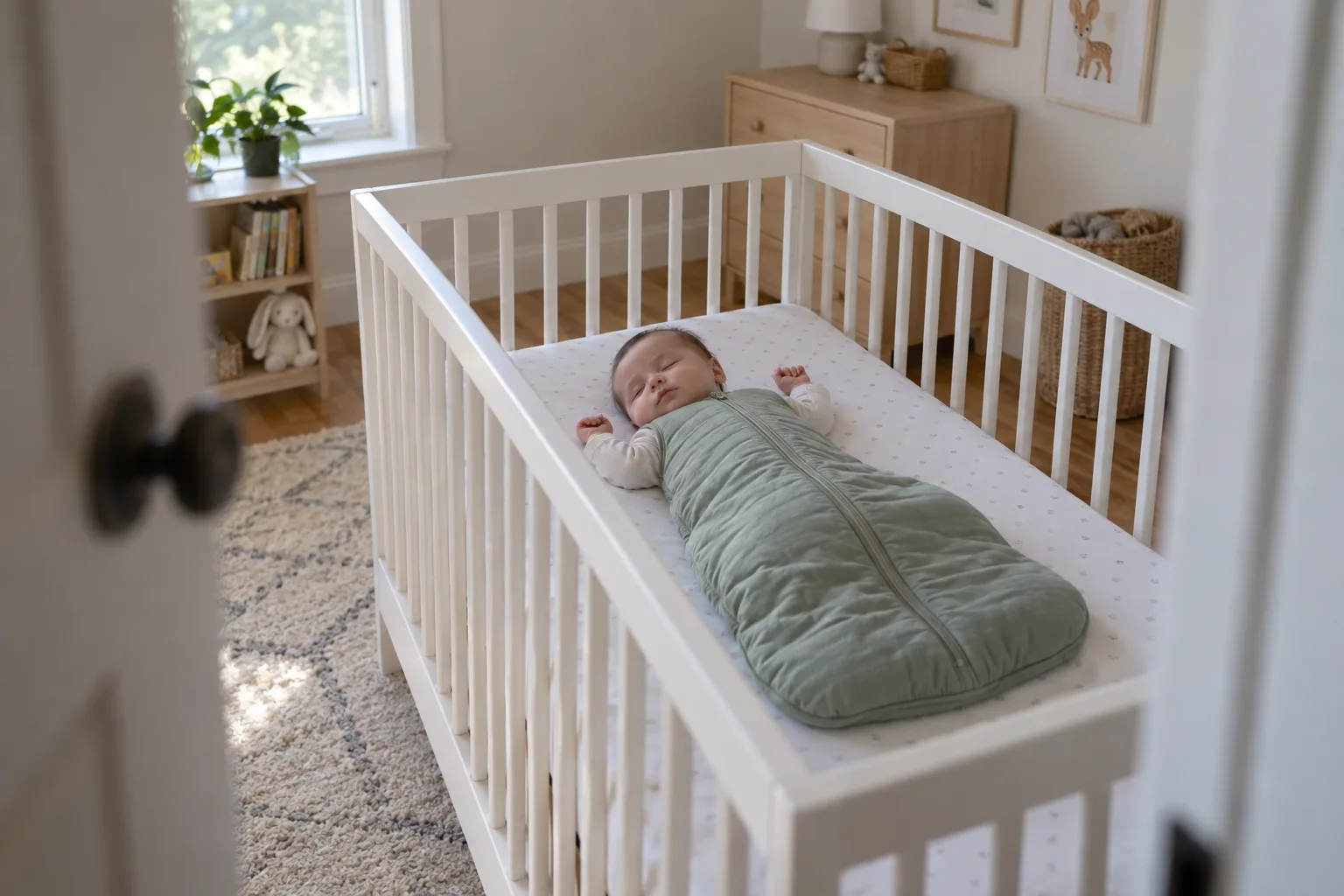
Room temperature is the starting point for your baby’s sleep sack TOG
A secure fit around the neck and arms matters just as much as warmth. Keep loose bedding out of the crib, and check your baby’s chest or neck, not their cool hands and feet.

Emma writes about sleep, home comfort and family gear. Her guides start where the marketing stops: what a product is like to live with.
Emma Verhoeven writes Comparolo Magazine's buying guides on Home & Sleep, Baby & Kids.
A secure fit around the neck and arms matters just as much as warmth. Keep loose bedding out of the crib, and check your baby’s chest or neck, not their cool hands and feet.
A timer and automatic shutoff are key safety features, and a flat, undamaged pad matters more than extra heat settings. Use room heat when the bedroom is cold or damp, or when people sharing it need different temperatures.
A confirmed allergy should guide your spending, not a vague suspicion. Look for six-sided encasements, wash outer bedding at 140°F when safe, and measure humidity before buying equipment.
Distance and timing determine whether a light fits your routine. Check measured lux, dimming, and warm evening settings, and talk to a doctor about ongoing low mood or sleep problems.
Pre-dawn readings tell you more than the calendar. Check the fill, washability and your partner’s preferences before buying a heavier duvet.
Make sure your child can open every latch, lid, and cap independently. Removable seals, room for a real sandwich, and a 12 to 20 oz. bottle make packing and cleanup easier.
Roof spaces trap heat long after sunset. Try breathable cotton, a tepid shower, and timed airflow to cool the room before bed.
Airport staff check labels, not forum claims. A seat that works for one trip can fail the next if the belt path is awkward or the shell is too wide. Know the quick checks before you book.