


Your next hob should match the services already under your worktop before it matches a cooking preference. This guide compares gas and induction by the trade-offs that change daily cooking: speed, control, running cost, safety, cleaning and installation work.
The quick answer: choose by infrastructure first, cooking style second
Takeaway: gas is often the easier like-for-like swap if the gas supply, worktop cut-out, clearances and ventilation already fit. Induction is the stronger day-to-day choice for speed, efficiency, safety features and wipe-clean living, but only if your electrics and pans are ready.
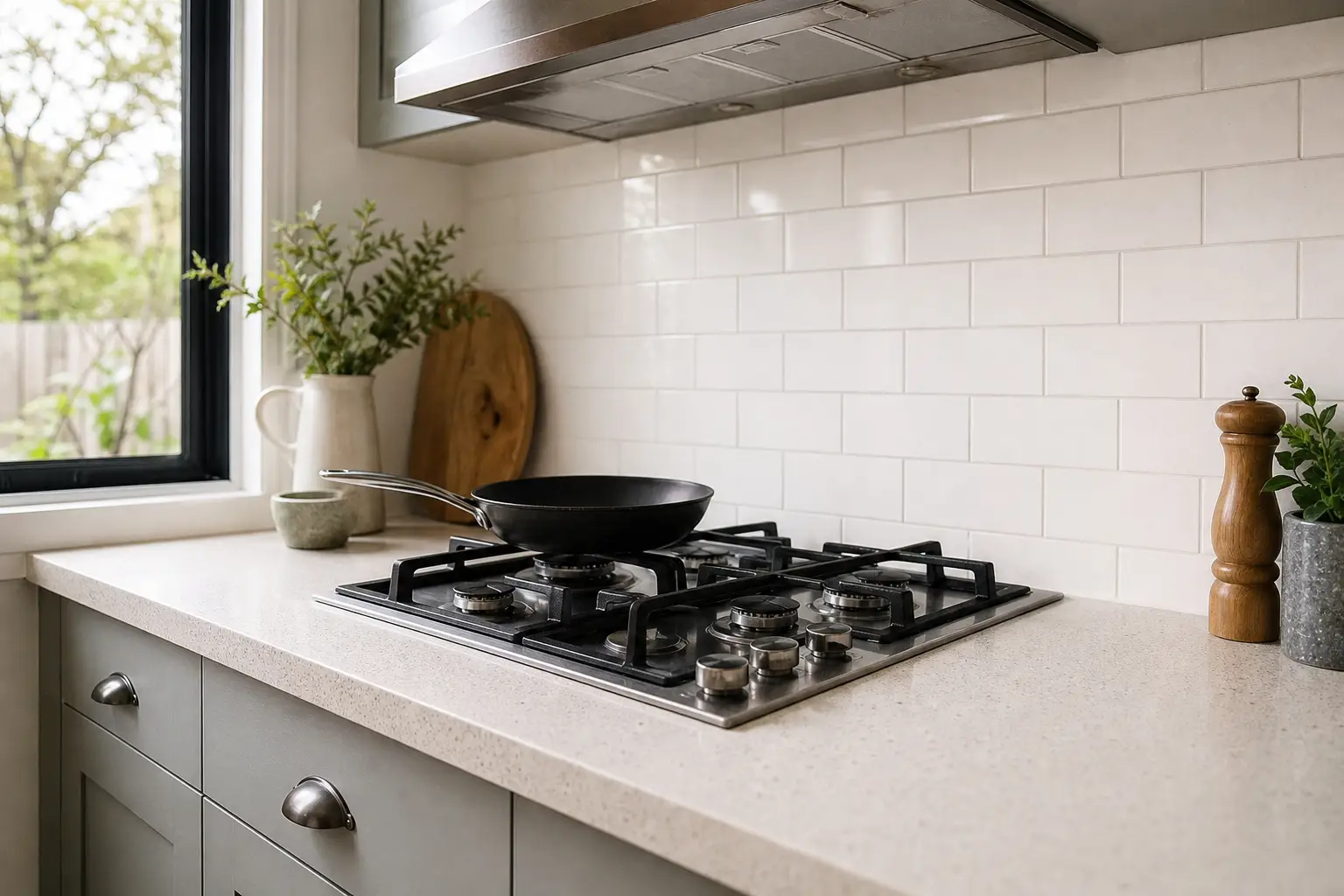
The expensive part is often not the hob. Switching from gas to induction can mean certified gas work, an electrical check or upgrade, and new cookware. Switching the other way needs a suitable gas supply and safe ventilation, which may not be practical in every kitchen.
| Criterion | Gas hob | Induction hob | Buying implication |
|---|---|---|---|
| Cooking feel | Visible flame, tactile knobs, broad pan freedom. | Very fast heat-up, repeatable digital levels, less waste heat. | Choose gas for flame-led cooking. Choose induction for speed and consistency. |
| Efficiency | Published guidance puts heat transfer at about one third. | Published guidance puts heat transfer at about 85%. | Induction uses less energy at the hob, but local energy prices decide the bill. |
| Cookware | Works with most heat-safe cookware, including varied materials and some wok setups. | Needs magnetic, flat-bottom cookware with a suitable base size. | Pan replacement is the big hidden induction cost. |
| Cleaning | Pan supports, burner caps and spill channels need removal and scrubbing. | Flat glass wipes clean, though it can scratch or crack if abused. | Induction is the clear low-cleaning option. |
| Safety and air quality | Naked flame, hot supports, gas leak and combustion risks if faulty or poorly ventilated. | No flame, common pan detection and shut-off, but the glass still gets hot from the pan. | Induction is easier to live with for many families, while gas needs ventilation discipline. |
| Installation | Needs a suitable mains gas or LPG supply, clearances, ventilation and qualified gas fitting. | Most full-size models need hardwiring by a qualified person. Plug-in versions are power-limited. | Price the trades before you compare appliance prices. |
Cooking performance: flame feedback and pan freedom versus faster, repeatable heat
Takeaway: gas feels familiar and flexible. Induction is usually faster and more efficient, and good models are highly controllable.
Gas: visual control and pan freedom
Gas gives instant visual feedback. You turn the knob, the flame changes, and you can judge the heat by sight as well as by sound and smell. That suits cooks who char food, toss pans, or use flame size as part of their rhythm.
It also accepts a wider mix of cookware. Aluminium, copper, glass, slightly warped pans and round-bottom woks with the right support can all be workable if the cookware is heat-safe. That freedom matters if you own older pans or cook with large, awkward shapes.
The trade-off is heat loss. A flame heats the base of the pan, the air around it and often the sides of the pan supports. Low simmering can also depend on burner design and draughts.
Induction: speed and repeatability
Induction heats the magnetic pan base directly. Published efficiency guidance reports about 85% heat transfer to cookware, compared with about one third for gas, and boiling can take nearly half the time compared with gas, radiant or coil electric hobs.
That speed is useful for boiling pasta water, reheating soups, batch cooking and quick meals. It also means less waste heat in the room, which can matter in open-plan kitchens or smaller flats.
Control depends on the model. Good induction responds quickly and holds repeatable power levels. Cheaper models may pulse at low settings, and touch controls can be irritating if your hands are wet or the control area is splashed.
Running costs: why cheaper gas per kWh does not always mean cheaper cooking
Takeaway: compare useful heat, not just the unit price. Induction wastes less energy, but electricity is often priced higher than gas.
A fair comparison asks how much paid energy reaches the pan. Use this rough method with your local tariff:
- Estimate gas cooking heat cost as local gas unit price / 0.33.
- Estimate induction cooking heat cost as local electricity unit price / 0.85.
- Then add the costs that do not show on the energy bill: installation, cookware replacement, and any fixed gas account charge where your market has one.
Using one July 2026 Great Britain tariff example, electricity was about 3.6 times the gas unit price. On the efficiency figures above, induction came out around 40% higher per unit of useful heat in that example, despite using less energy at the hob.
Treat that as a worked example, not a rule. If electricity is cheaper where you live, gas is dearer, or an induction switch lets you remove gas from the home and avoid a fixed gas charge, the economics can change.
Safety, air quality and cleaning: where induction wins day to day
Takeaway: induction removes the flame and most of the scrubbing. Gas can still be safe when installed, maintained and ventilated properly, but it asks more from the household.
Gas brings a naked flame, hot pan supports and the risk of gas leaks or carbon monoxide if an appliance is faulty or poorly ventilated. Gas combustion can also release carbon monoxide, nitrogen oxides, formaldehyde and particulates, so ventilation is not a minor detail.
Induction has no flame, and pan detection plus automatic shut-off are common. The glass is not cold, though. It heats from the pan and can remain hot after cooking.
People with pacemakers or similar implanted devices should follow their device and medical advice. Some cardiac-device guidance advises keeping at least 60 cm between the stovetop and a pacemaker while induction is in use.
- Gas cleaning: you remove pan supports, burner caps and sometimes burner rings, then clean around raised parts and spill channels. Gas-on-glass looks neater but still has parts above the surface.
- Induction cleaning: the flat glass surface wipes down quickly, and spills are less likely to bake on because the surface is heated mainly by residual pan heat.
- Durability trade-off: induction glass can scratch or crack if abused. Gas pan supports are more forgiving of knocks from heavy cookware.
Installation reality check: gas supply, 13A limits, hardwiring and hidden trade costs
Takeaway: check the boring parts before choosing the exciting hob. Measure the cut-out, check cabinet space and clearances, confirm ventilation, and find out what electrical or gas work is needed.
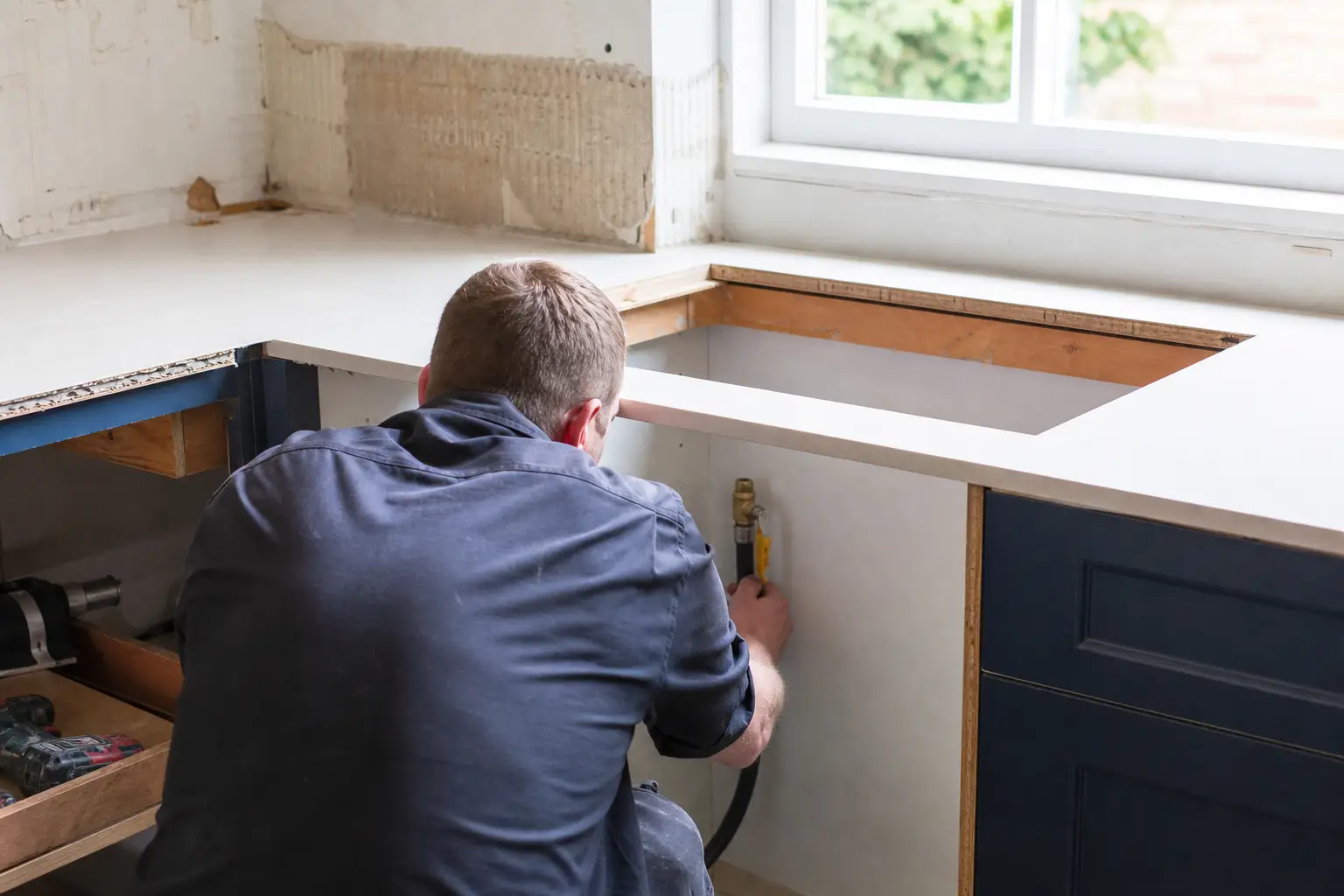
A gas hob needs the right supply, either mains gas or LPG, and the appliance must match that supply. Gas fitting should be handled by a qualified or certified gas professional under local rules. Do not treat gas connection, removal or capping as a DIY job.
Most full-size induction hobs need a hardwired electrical supply installed or checked by a qualified person. The electrician may need to assess the circuit, protective devices and electrical panel before confirming what can be fitted.
Plug-in induction hobs exist, including 13A-style models in some markets. They are convenient for light cooking or homes where hardwiring is not possible, but power is shared across active zones when the total limit is reached. That means longer cooking times if you use several pans at once.
Which hob suits your kitchen: the best choice for wok cooks, families, renters, renovators and landlords
Takeaway: match the hob to your cooking style and the kitchen you have, not the kitchen in the brochure.
- Wok cooks and flame-led cooks: gas is the natural fit if you use round-bottom woks, char food over a flame, or judge heat visually. Induction can work for flat-bottom magnetic cookware, but it does not give the same flame contact.
- Families and tidy-home buyers: induction is usually easier to live with. No naked flame, common pan detection, less waste heat and a wipe-clean surface all help, although the glass still gets hot after use.
- Renters and small flats: portable or plug-in induction can be useful if local rules and the tenancy allow it, but expect power limits. A like-for-like gas replacement may be simpler only where the existing supply and permissions are already in place.
- Renovators and all-electric homes: induction makes sense if rewiring or a new cooker circuit is already part of the work. Wider 80 to 90 cm layouts, flex zones and vented induction are options to assess if the cabinet space and electrical supply fit.
- Like-for-like replacers: gas can keep costs and disruption down if the old cut-out, gas supply, clearances and ventilation still meet current requirements.
- Landlords: simple gas is familiar, but it brings gas safety duties under local rules. Basic induction removes the flame, but tenants need compatible pans and the electrical installation must support the hob.
Compare built-in gas and induction hobs
Live prices from more than 20 shops, updated daily.
Common mistakes that make gas or induction expensive and frustrating
Most regrets come from skipping practical checks. The hob may be right in theory and wrong for your pans, wiring, worktop or cooking habits.
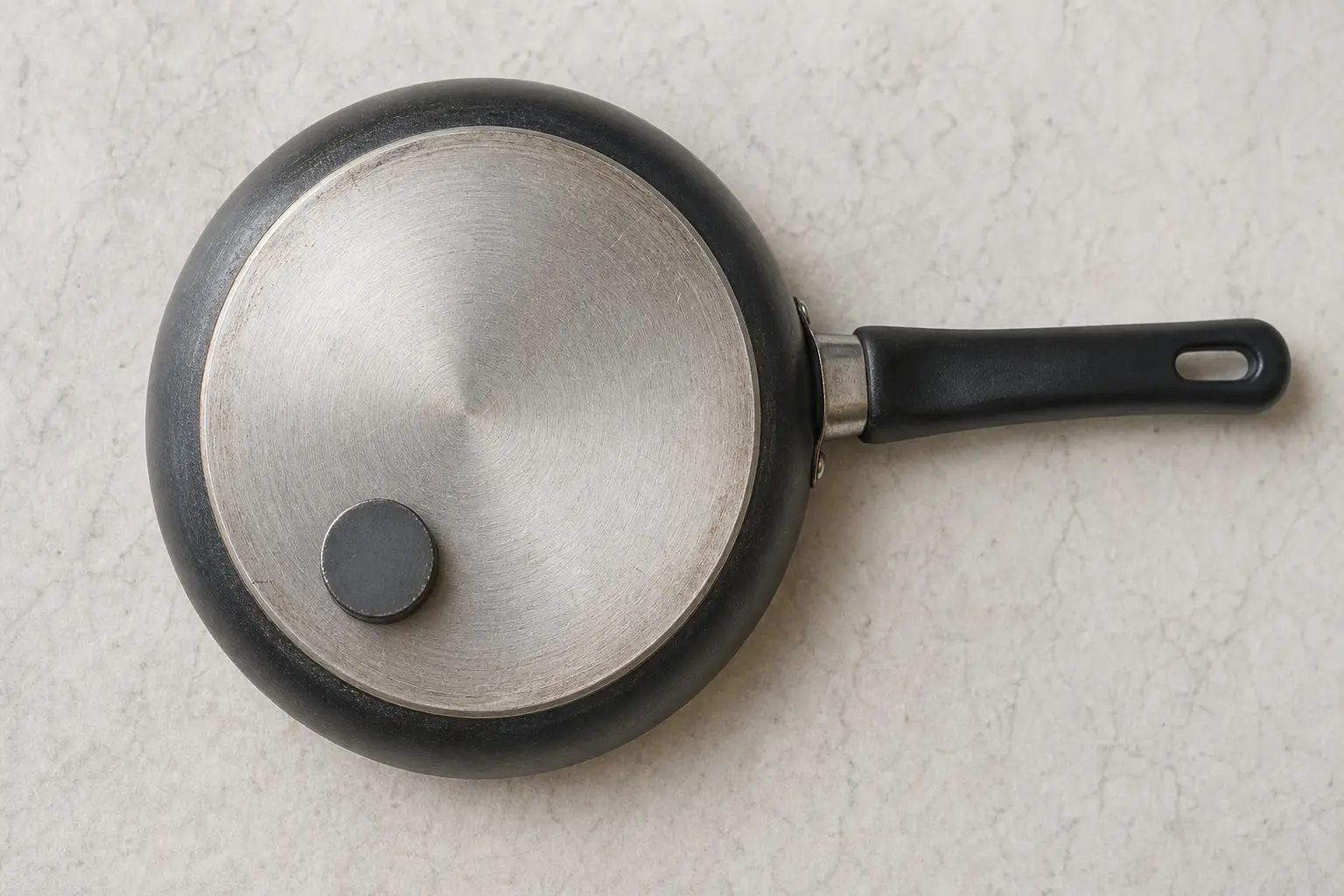
- Buying induction before testing pans. If a magnet sticks to the base, the pan should work, but also check that the base is flat and wide enough for the zone.
- Assuming a plug-in induction hob performs like a hardwired full-size model. Socket-powered models share limited power across zones, so multi-pan cooking slows down.
- Comparing only the number of burners or zones. Four zones can still feel cramped if two large pans do not fit at the same time.
- Ignoring the worktop cut-out. A 60 cm hob is not a guarantee that it drops into the old hole without adjustment.
- Forgetting ventilation with gas. A good flame does not remove the need for fresh air and extraction where required.
- Underestimating gas cleaning. Pan supports, burner caps and edges collect spills in a way flat induction glass does not.
- Treating induction glass as indestructible. It is easy to wipe, but heavy impacts and rough cookware can damage it.
- Ignoring controls. If you simmer a lot, check how the model behaves at low settings. If you often cook with wet hands, think carefully about touch controls.
Gas vs induction hob FAQ
Do I need new pans for induction?
Maybe. Induction needs magnetic, flat-bottom cookware. Use the magnet test: if a magnet sticks to the pan base, it should work. Also check the base diameter against the hob zone.
Is induction always cheaper to run than gas?
No. Induction uses energy more efficiently, but electricity is often more expensive per kWh than gas. Compare your local electricity price / 0.85 with your gas price / 0.33, then add fixed charges, installation and pan costs.
Can an induction hob plug into a normal socket?
Some plug-in models are sold, including 13A-style versions in some markets. They are power-limited and share output across active zones. Most full-size induction hobs need hardwiring by a qualified person.
Is gas better for wok cooking?
Gas is usually the better fit for round-bottom woks, visible flame control and charring. Induction works only with compatible magnetic cookware, usually with a flat base.
Is induction safe for someone with a pacemaker?
Follow the advice for the specific device and the person’s clinician. Some cardiac-device guidance advises keeping at least 60 cm between a pacemaker and an active induction stovetop.
Which hob is easiest to clean?
Induction. The flat glass surface wipes clean and spills are less likely to bake on. Gas hobs have pan supports, burner caps and raised parts that need more scrubbing.
Verdict: the trade-off that should decide your next hob
Let infrastructure make the first cut. If your gas supply is already safe, the cut-out fits, ventilation is sorted and you rely on flame feedback or wok technique, gas is still a sensible choice.
Choose induction if your electrical supply can support it, your pans are compatible or replaceable, and you value speed, lower heat loss, safety features and fast cleaning more than visible flame.
If both are easy to install, induction is the more practical everyday hob for most tidy, family or open-plan kitchens. If switching means major electrical work and a full pan reset, price that first, then decide.
This article was created using AI, following our team's editorial standards.


