


Stand at the rack with one job: separate a seasonal timing discount from a mistake with a lower price. A 50 to 70 percent tag can be useful, but only if the item still works after the heat, the vacation mood and the sale banner have gone.
Start with the sale clock: where U.S. July markdowns really stand now
July rewards shoppers who know which clock they are shopping against. As of July 3, 2026, there is no national summer-sale calendar in the U.S., but many retailers are already in clearance mode and some chains are starting to push back-to-school markdowns while summer inventory is still on the floor.
| Sale moment | What it usually means | Best move |
|---|---|---|
| Early sale or first markdown | Choice is still decent, especially in common sizes and neutral colors. Discounts may look modest. | Buy exact-size shoes, denim, tailored trousers and staples you would struggle to replace. |
| Mid-sale | Often the best balance for basics if the size run has not collapsed. | Become selective. Check material, fit, return terms and the real prior price. |
| End of July and final reductions | Prices are often deepest. Sizes, colors and return flexibility are usually thinnest. | Use this stage for flexible items, backup basics and pieces you already know fit. |
Use the discount as a warning label: what 10 to 70 percent off usually means
The deeper the discount, the more you should ask why the item is still there. A large markdown often signals clearance stock: unusual colors, narrow cuts, over-bought summer pieces, awkward fabrics or incomplete size runs.
| Discount band | How to read it | Good use |
|---|---|---|
| 10 to 20 percent off | Small saving, usually early or on stronger stock. | Only buy if it fills a clear need or rarely gets reduced. |
| 25 to 40 percent off | Often the useful zone for basics and neutral colors. | Good for exact-size denim, shirts, knitwear and leather shoes. |
| 40 to 50 percent off | Strong saving if the product passes fit and material checks. | Buy if returns are clear and extra costs are low. |
| 50 to 70 percent off | Clearance territory. The price is attractive because the shop wants it gone. | Buy only if you would still want it at 30 to 40 percent off. |
Buy the boring winners: leather sandals, linen shirts, quality denim and plain knitwear
The strongest summer-sale buys are materials and shapes with life beyond one hot month. They are usually plain, useful and easy to wear with clothes you already own.
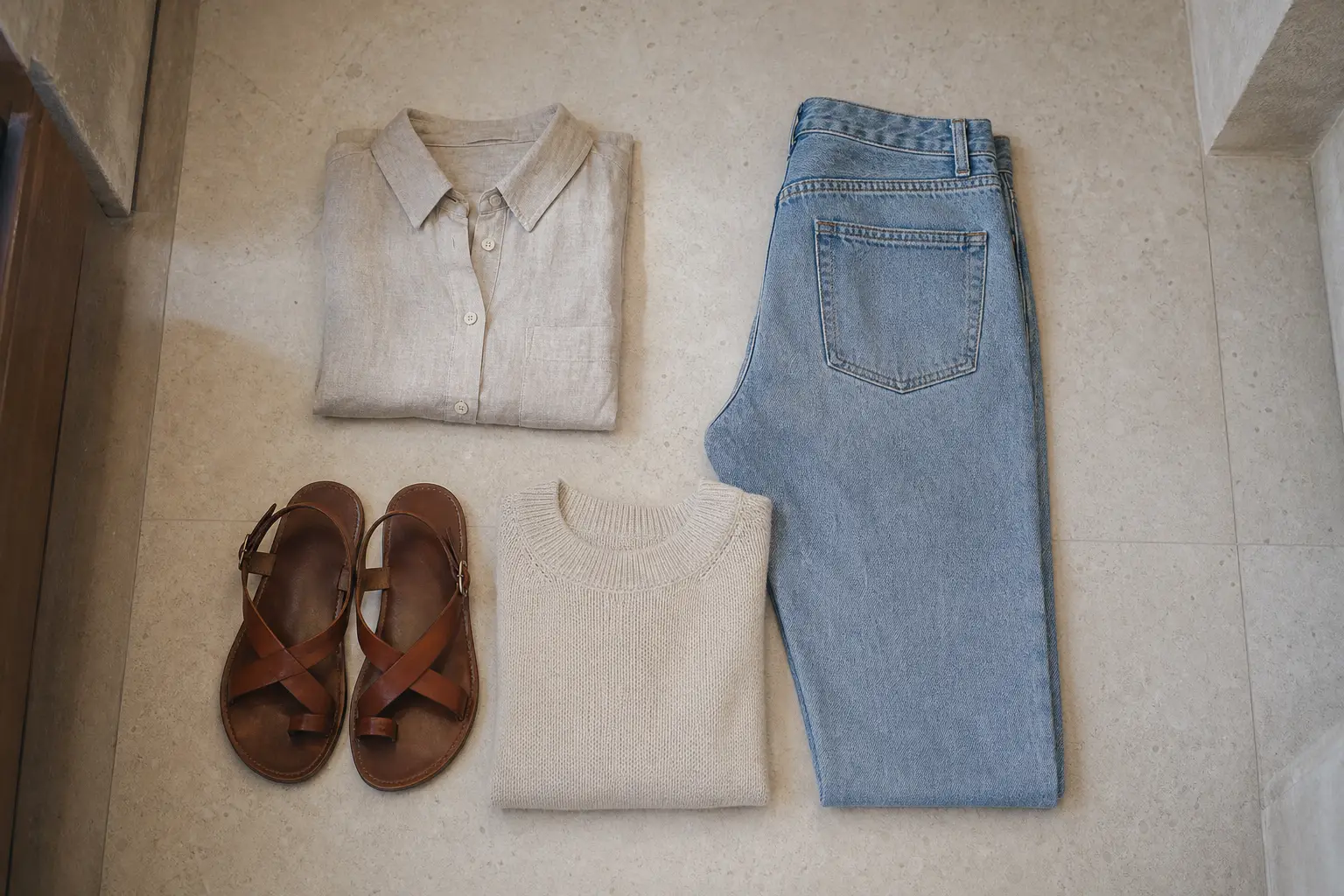
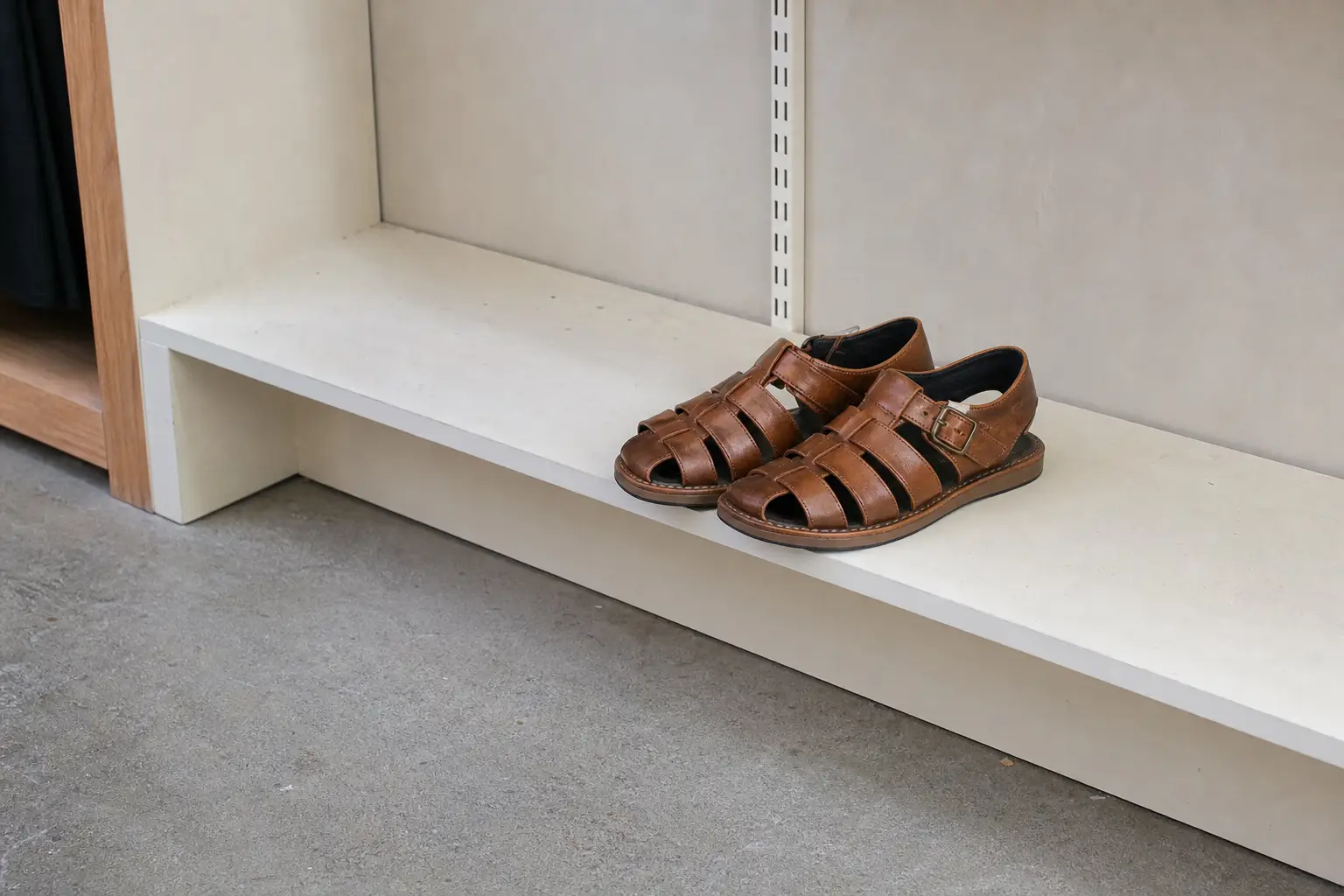
- Leather sandals: look for black, tan, brown or metallic-neutral designs, adjustable straps, leather upper and lining, a stable low or moderate heel and a grippy sole. Avoid one-size-off pairs, scuffed last pairs, rubbing toe posts and fashion soles you would not choose at full price.
- Linen shirts: long sleeves, rolled sleeves, white, blue, stripe and neutral colors travel well into early fall under jackets or knitwear. A linen/cotton blend can be more practical than thin pure linen. Check opacity, shoulder fit, button spacing and seam straightness.
- Quality denim: straight, slim-straight and relaxed straight cuts in dark or mid washes are easier to use year-round. Skip heavy rips, novelty washes, painful waistbands and lengths needing expensive original-hem alterations.
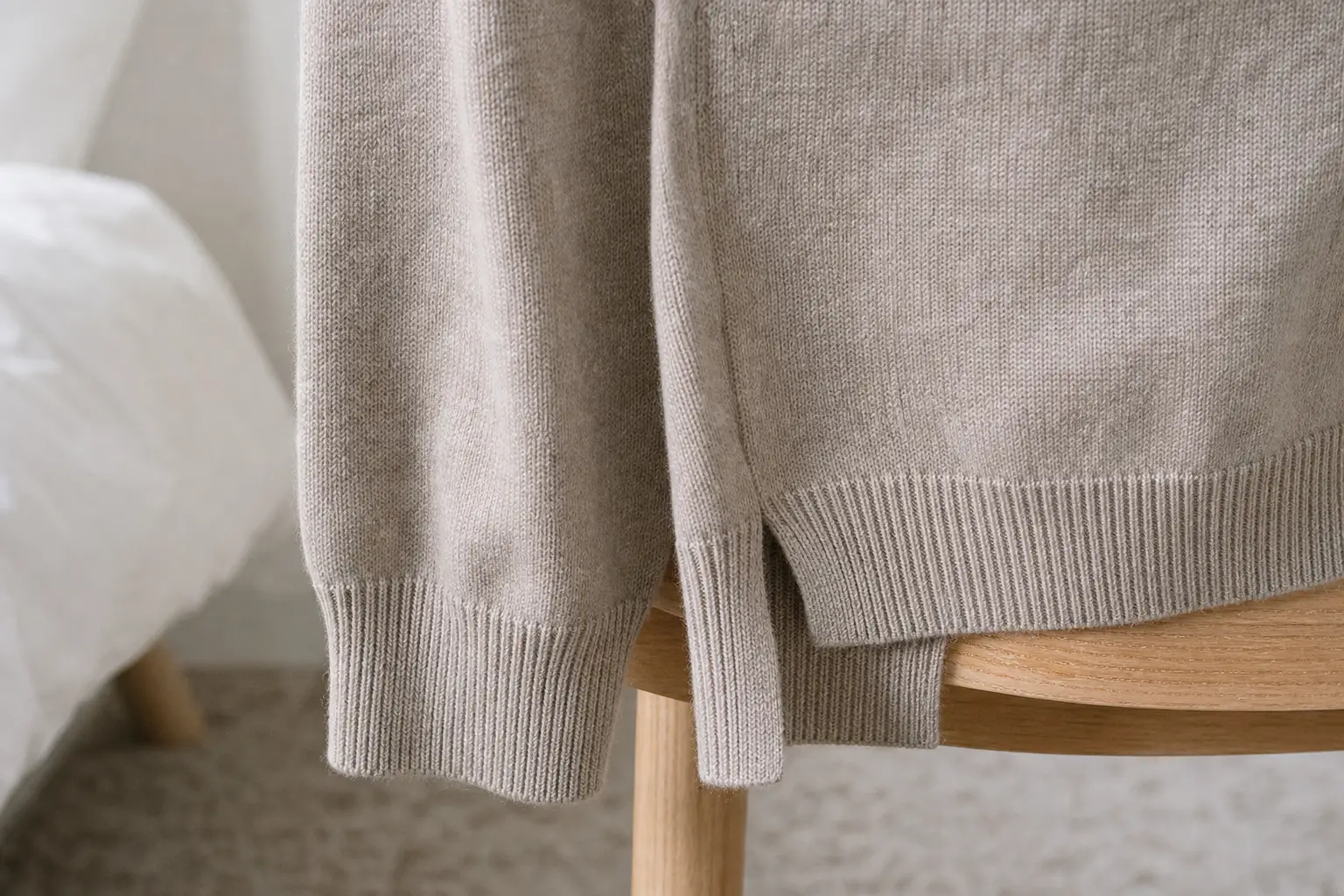
- Plain knitwear for fall: navy, gray, black, cream, camel and dark green crew necks, cardigans and fine wool blends can be smart summer-sale buys because many shoppers ignore them in July. Check cuffs, hem rib, shoulder seams, snags and any pilling already visible on the rack.
Compare prices on durable sale basics
Live prices from more than 20 shops, updated daily.
Time the purchase to the risk: buy exact-fit staples earlier, leave only flexible bets for late July
Buy exact-fit staples before the final markdown stage, then leave only flexible bets for late July. Seasonal-goods selling always has the same trade-off: lower prices arrive as availability falls.
- Buy earlier for shoes. Sandals that pinch, slip at the heel, rub between the toes or need “breaking in” are bad buys at any discount. Leather may soften, but length and width will not become the right size.
- Buy earlier for denim and tailored trousers. Fit is hard to recover once common waist and length combinations sell through.
- Use mid-sale for shirts and knitwear. If the color is neutral and the cut is familiar, this is often where price and choice meet.
- Use end of July for low-risk items. Plain knitwear, a spare linen shirt in a flexible fit or a belt can make sense if your size remains. Trend-led pieces need much more caution.
Run the value test before checkout: fit today, 10 to 30 wears, honest material and low extra costs
A sale item has to pass the same tests as full-price clothing before the discount matters. The cleanest test is practical: will you wear it enough, without spending more money to make it work?
- Name the use. Aim for at least 10 wears for special pieces and 20 to 30 wears for basics. A two-wear bargain is expensive per wear.
- Check fit now. Safe alterations are hems, sleeve shortening and a small waist adjustment. Avoid plans built on weight change, belting, stretching or a tailor rebuilding the garment.
- Read the label. The FTC requires fiber content on many textile products, and terms such as “100 percent” or “pure” have to match what the tag says. Use the label to spot polyester “linen-look,” acrylic-heavy knitwear and high-stretch denim that may bag out.
- Check footwear zones. A shoe that says “leather upper” still does not tell you much about the lining, insole, sole or comfort level.
- Add the hidden cost. Delivery, return shipping, tailoring, insoles, leather protector, dry cleaning and specialty washing can wipe out the saving.
- Check returns before payment. For online purchases, the return window depends on the retailer, and sale items often come with shorter windows or final-sale rules. Damaged or misdescribed goods are a separate issue from buyer's remorse.
Spot the stock nobody wanted: trend pieces, broken shoe sizes and “nearly right” bargains
Leftover stock usually reveals itself through effort: hard styling, hard fitting or hard returning. If the item needs a special vacation, a special shoe, a special bra or a fantasy lifestyle, the markdown is paying you to ignore a problem.
- End-of-season trend pieces: crochet sets, novelty cut-outs, viral colors, sheer festival layers, asymmetric hems and ultra-specific prints often age quickly.
- Shoes in broken size runs: if only a few sizes remain, assume there may have been fit returns, last-pair wear or an unpopular color or material.
- Occasionwear without an occasion: wedding-guest dresses, party shoes and beach-club outfits lose value while they sit in the wardrobe.
- Synthetic summer tops at deep discount: cheap “linen-look” or clingy polyester can run hot, hold odor, create static and feel tired fast.
- Final-sale swimwear and underwear: hygiene seals, return limits and fit uncertainty raise the risk unless you already know the exact size and style.
- Anything nearly right: the wrong color, a tight sandal, an awkward length, a missing belt or a transparent fabric often becomes unworn.
Check whether the markdown is real: 30-day lows, crossed-out prices and SKU searches
A real markdown should be traceable to a recent selling price, with more proof than a dramatic crossed-out number. In the U.S., deceptive pricing is still deceptive pricing, so the reference price should be a real recent price the store actually charged.
- Look for three numbers: current price, prior or reference price, and discount percentage. If the “was” price is vague or only appears in a banner, treat the saving as unproven.
- Compare with the 30-day low where it is shown. A crossed-out suggested price may flatter the discount.
- Search the exact product name, color and SKU. If many shops show the same sale price, the crossed-out price may be nominal rather than a strong live-market saving.
- Use your own history. Wishlist prices, basket screenshots and price trackers are most useful before the sale starts, but they still help during multi-week markdowns.
- Watch “up to 70 percent” claims. That phrase can mean a few leftovers hit the headline depth while the desirable sizes and colors sit at 20 to 30 percent off.
FAQ: waiting for final reductions, sale returns, leather labels, linen blends and sizing gambles
Should I wait for final reductions if my size is still available?
Only if you can lose it without changing your plan. If the item is a common neutral staple in an exact fit, set a price you would accept and buy when it reaches that level. Waiting is easier for flexible knits and loose shirts than for sandals, jeans or fitted trousers.
Can a store refuse returns on sale goods?
For in-store purchases, change-of-mind returns are usually a store policy, so read the receipt terms before paying. For online purchases, the return window depends on the retailer, and some sale items are final sale. Damaged or misdescribed goods are separate from change-of-mind returns, so keep receipts and photos if something is damaged or not as described.
Does “leather upper” mean a sandal is good quality?
No. It tells you the upper material category. It says little about leather grade, coating, footbed comfort, sole grip, lining material, buckle strength or stitching. Try both shoes, walk, and check the pair has not been shop-worn.
Is a linen blend a downgrade?
Not automatically. A good linen/cotton blend can crease less and feel easier for commuting or travel. Thin pure linen with poor seams, gaping buttons or weak opacity is still a weak buy.
Should parents buy children’s shoes or clothes a size up for next summer?
Be careful with shoes because growth timing and foot width are hard to predict. Size-up basics are safer in adjustable or forgiving items, such as simple tops, but school shoes, sandals and fitted trousers can miss the season completely.
Verdict: the best summer-sale buy is the piece you would still want at 30 to 40 percent off
Choose the item that fits today, has a clear wear path, uses honest materials and does not need extra spending to earn its place. Leather sandals, linen shirts, quality denim and plain knitwear are the strongest bets when the discount reflects timing. If the price is the only exciting thing about it, leave it for the next shopper.
This article was created using AI, following our team's editorial standards.


